Acoustic Chakra Tuning
Why 639Hz is the Ultimate Acoustic Frequency for Heart Chakra Tuning
A pale rose quartz palm stone on a meditation table does not prove that love, repair, or emotional change will follow. It gives attention a surface. 639Hz acoustic chakra tuning works in a similar way for many spiritually curious listeners: the tone becomes a simple place to gather the mind around heart language, connection, compassion, forgiveness, and interpersonal harmony.
That is why 639Hz is often called the “ultimate” acoustic frequency for heart chakra tuning. Not because the number has been established as a body-changing mechanism, and not because it can guarantee a relationship outcome. It is “ultimate” only in the softer ritual sense: it fits the symbolic vocabulary many people already bring to heart-centered meditation.
broader context
Start with the main rose quartz page
This narrower page makes more sense after the broader rose quartz context page.
The Direct Answer
639Hz is used for heart chakra tuning because contemporary frequency-based wellness communities commonly associate it with compassion, emotional openness, and relational intention. For a listener who already finds chakra language meaningful, the tone can act as a steady cue: slow down, breathe, notice the chest and shoulders, and approach a feeling or conversation with more care.
The useful claim is modest. 639Hz acoustic chakra tuning can support a reflective listening ritual. It should not be presented as a confirmed physiological method, a relationship solution, or a substitute for real communication and qualified support when distress or harm is present.
Why 639Hz Feels Right for Heart-Centered Meditation
The appeal begins with association. A specific tone gives a practice shape; it marks the start of attention and reduces the need to choose between many tools, sounds, affirmations, or objects. Instead of building a complicated session, the listener chooses one sound and lets it hold the edge of the practice.
That kind of edge matters. A 639Hz meditation frequency can make the session feel intentional without needing to carry more authority than it has. The listener may use it while journaling, breathing, holding rose quartz, or preparing for a difficult conversation. The tone does not do the inner work for them. It gives the work a place to begin.
Rose quartz is a useful comparison. The mineral can be described as pink quartz with visible color, polish, fracture, translucence, and surface variation. Its meaning as a stone of tenderness is interpretive. Both can sit beside each other if one is not mistaken for the other. With 639Hz heart chakra tuning, the audible sound is one thing; the heart symbolism attached to it is another.
When “Ultimate” Is a Matter of Fit
The word “ultimate” is strongest here when it means well matched, not universally superior. 639Hz may feel like the right tone when the listener wants a simple sound anchor for compassion, apology, forgiveness, or peaceful communication. It becomes less useful when the number itself is expected to do emotional work that still belongs to reflection, conversation, boundaries, or care.
A coherent 639Hz practice usually has a few conditions:
- The listener already relates to heart chakra symbolism.
- The sound feels physically comfortable, not sharp or irritating.
- The session has one clear intention, such as listening with less defensiveness.
- The tone supports meditation rather than replacing honest action.
- The practice remains optional, not a rule for how emotion must be processed.
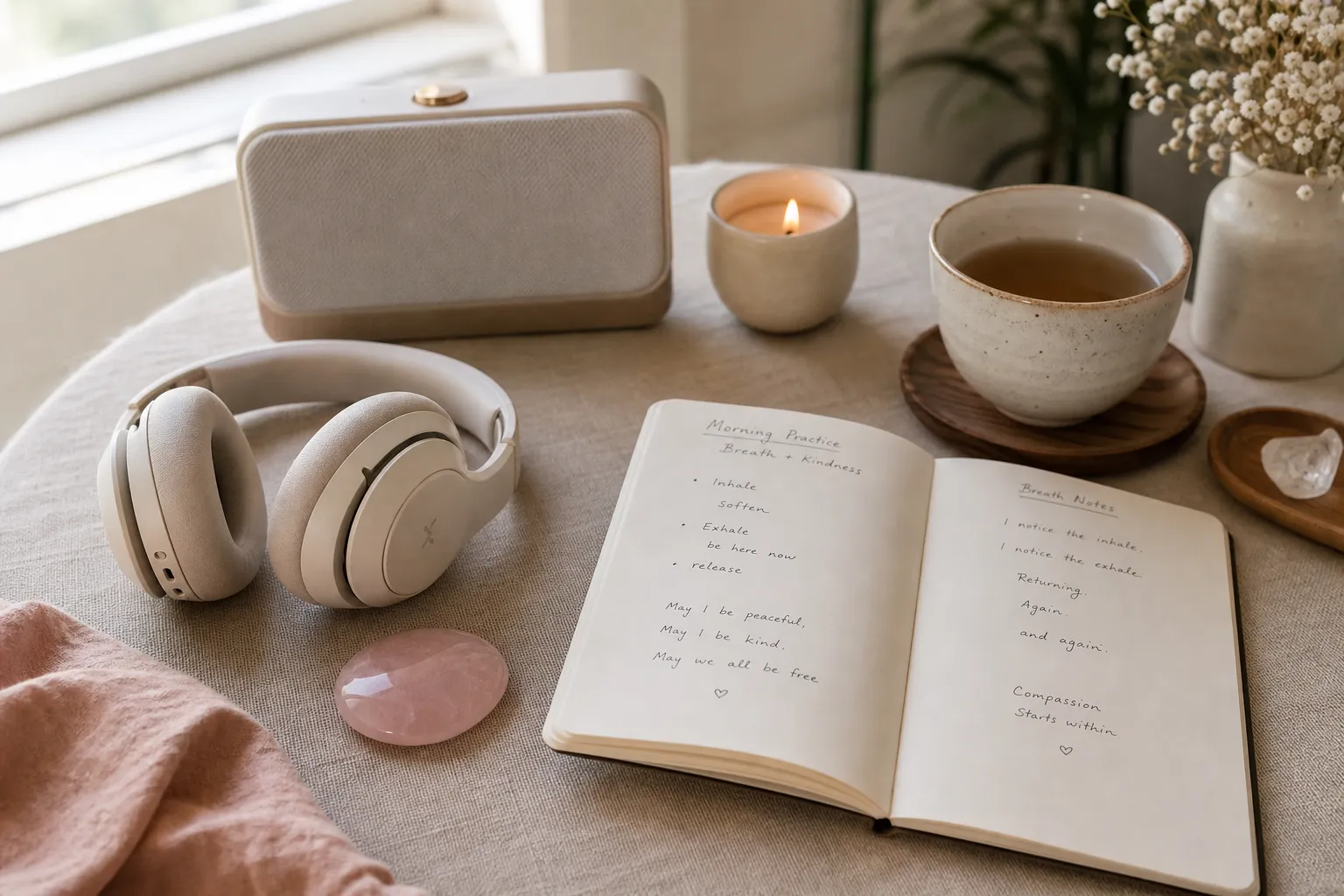
A rose quartz stone, journal, candle, or quiet room can give the session a visual center. The quartz does not validate the frequency, and the frequency does not validate the quartz. Together, they create a small ritual context of sound, texture, color, and intention. That can be meaningful without becoming proof language.
The Language Trap Around Frequency Claims
Many readers meet 639Hz through technical-sounding terms: acoustic resonance, binaural beats, vibration, tuning, alignment. These words can make a simple listening practice sound more settled than the available evidence allows. For this page, no usable public reference links were available to support strong claims about 639Hz, physiology, traditional chakra doctrine, binaural beat mechanisms, or measurable relationship outcomes.
“Acoustic resonance” can be a beautiful image in meditation. A tone fills a room; the body notices sound; the mind gives that sound meaning. But the phrase does not establish that 639Hz objectively changes the heart chakra. Without stronger evidence, it remains a metaphor for felt experience.
639Hz binaural beats need the same care. A playlist may use two tones, headphones, or technical labels, but that does not automatically make the practice more established. Here, binaural beat language is best treated as a listening format, not as confirmation that a specific chakra result will occur.
A cleaner statement is this: 639Hz acoustic chakra tuning can provide a steady sound environment for heart-centered meditation. What the listener does inside that environment is the meaningful part.
A Grounded Way to Use 639Hz for Interpersonal Intention
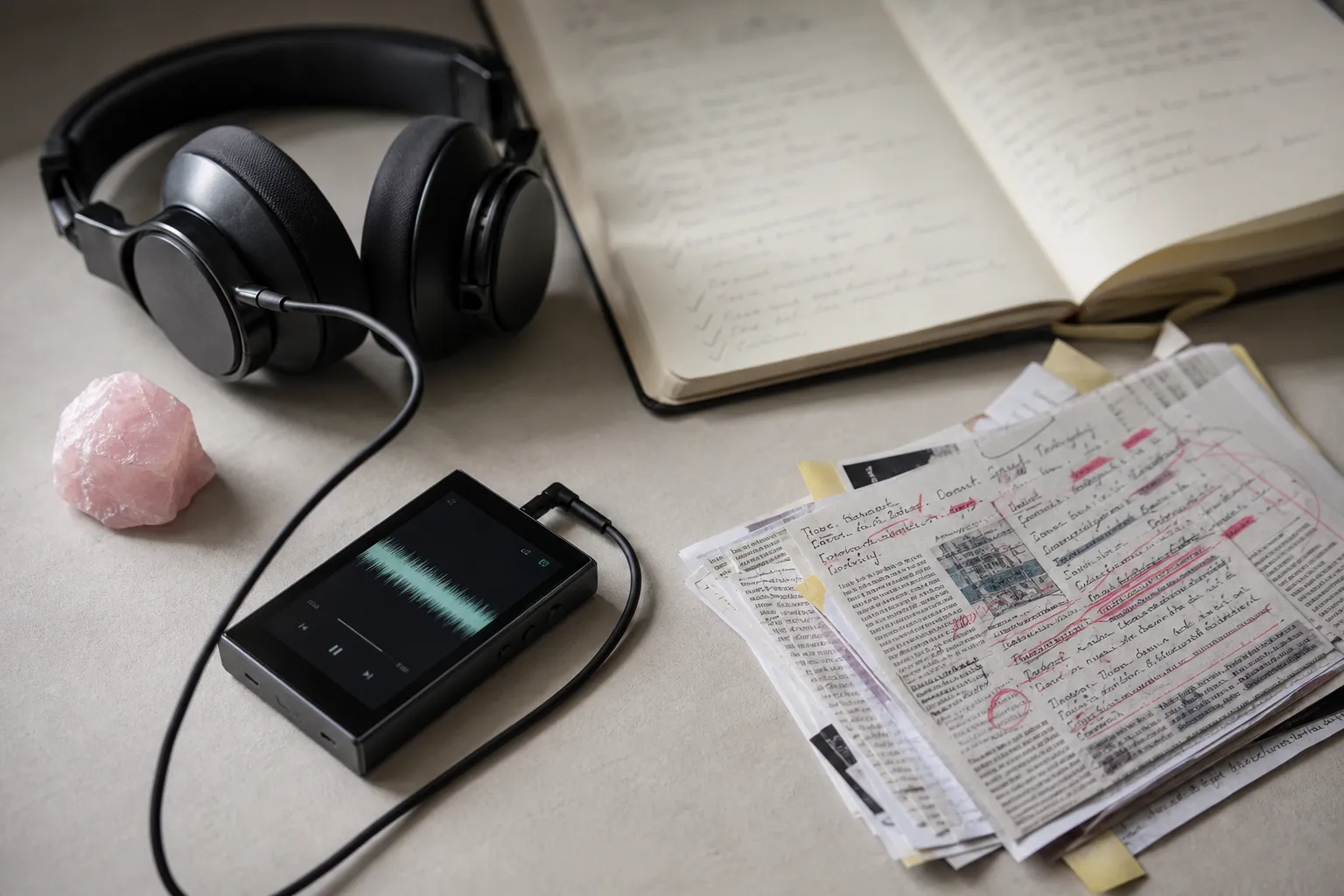
A low-pressure practice can stay simple. Choose a quiet setting, keep the volume comfortable, and decide on one inwardly workable intention before pressing play: “I want to notice where I am holding resentment,” “I want to write honestly before I speak,” or “I want to listen with less defensiveness.”
A short session might look like this:
- Place rose quartz, a journal, or a cup of tea nearby if a physical anchor helps.
- Play the tone softly enough that it does not dominate the room.
- Breathe naturally, noticing the chest, jaw, and shoulders.
- Name one relationship quality to practice, such as patience or clarity.
- After listening, write one sentence about what needs action, not only feeling.
This keeps interpersonal harmony meditation from becoming avoidance. If a relationship needs a real conversation, an apology, distance, or professional support, a tone cannot substitute for that. The practice may help someone prepare for steadier presence, but it should not be used to delay needed help or spiritualize away conflict.
Where 639Hz Claims Become Too Strong
The main misunderstanding is that a precise number must be more authoritative because it looks exact. A named frequency, a chakra label, and scientific-sounding language can create the impression of settled knowledge when the support is not there.
A careful description says that 639Hz is used within contemporary spiritual wellness language as a tone for heart chakra tuning, compassion, and interpersonal intention. A stronger description would turn it into a health-outcome claim or a guaranteed relationship claim. This page does not support that move.
There is also a cultural boundary. Chakra language carries spiritual and interpretive weight, but the available material for this page does not establish 639Hz as a confirmed part of traditional chakra systems. The phrase “heart chakra tuning” is therefore treated here as contemporary practice language, not as a historical proof point.
That distinction protects the practice from inflation. It lets the listener use the tone sincerely without pretending that sincerity is the same as external evidence.
When 639Hz May Not Be the Right Sound
Not every heart-centered practice needs 639Hz. Some people settle more easily with silence, breath counting, soft instrumental music, chanting, nature sounds, or no sound at all. Others may find a pure tone too thin, distracting, or mentally tiring. Preference matters because meditation depends partly on what attention can stay with.
The sound should also stop if it feels unpleasant. A spiritual practice does not become deeper because discomfort is ignored. If the tone brings irritation, pressure, or sadness that feels unmanageable, the kinder choice is to pause and choose another support.
For significant distress, trauma, anxiety, coercive relationship dynamics, or emotional crisis, 639Hz should not be the center of the answer. Qualified professional support, trusted human help, and practical safety planning belong in a different category from a meditation tone. A sound ritual may sit beside care; it should not replace it.
Short Answers to Common Search Questions
Is 639Hz scientifically established for heart chakra tuning?
Not from the material available for this page. 639Hz is best described here as an interpretive chakra association used in contemporary spiritual wellness, not as an externally established mechanism.
Are 639Hz binaural beats stronger than a plain 639Hz tone?
This page cannot support that claim. Binaural beat language may describe a listening format, but it does not automatically validate 639Hz heart chakra effects or interpersonal outcomes.
Can 639Hz improve a relationship?
It should not be presented that way. A 639Hz session may help a listener create space for reflection, journaling, compassion, or calmer intention, but relationship change depends on behavior, communication, consent, and context.
The Bounded Answer
639Hz is called the ultimate acoustic frequency for heart chakra tuning because it fits a modern spiritual vocabulary of heart, harmony, compassion, and emotional connection. It gives the listener a single, memorable tone around which to build a reflective practice. That is its strongest use.
The page evidence does not support stronger claims about biology, clinical results, historical authority, or guaranteed interpersonal harmony. So the most honest answer is also the most useful one: let 639Hz be a focus tone, not a promise. Let rose quartz, breath, sound, and journaling create ritual context with mineral literacy and clear limits. The meaning can be sincere without being overstated.